|
|
|


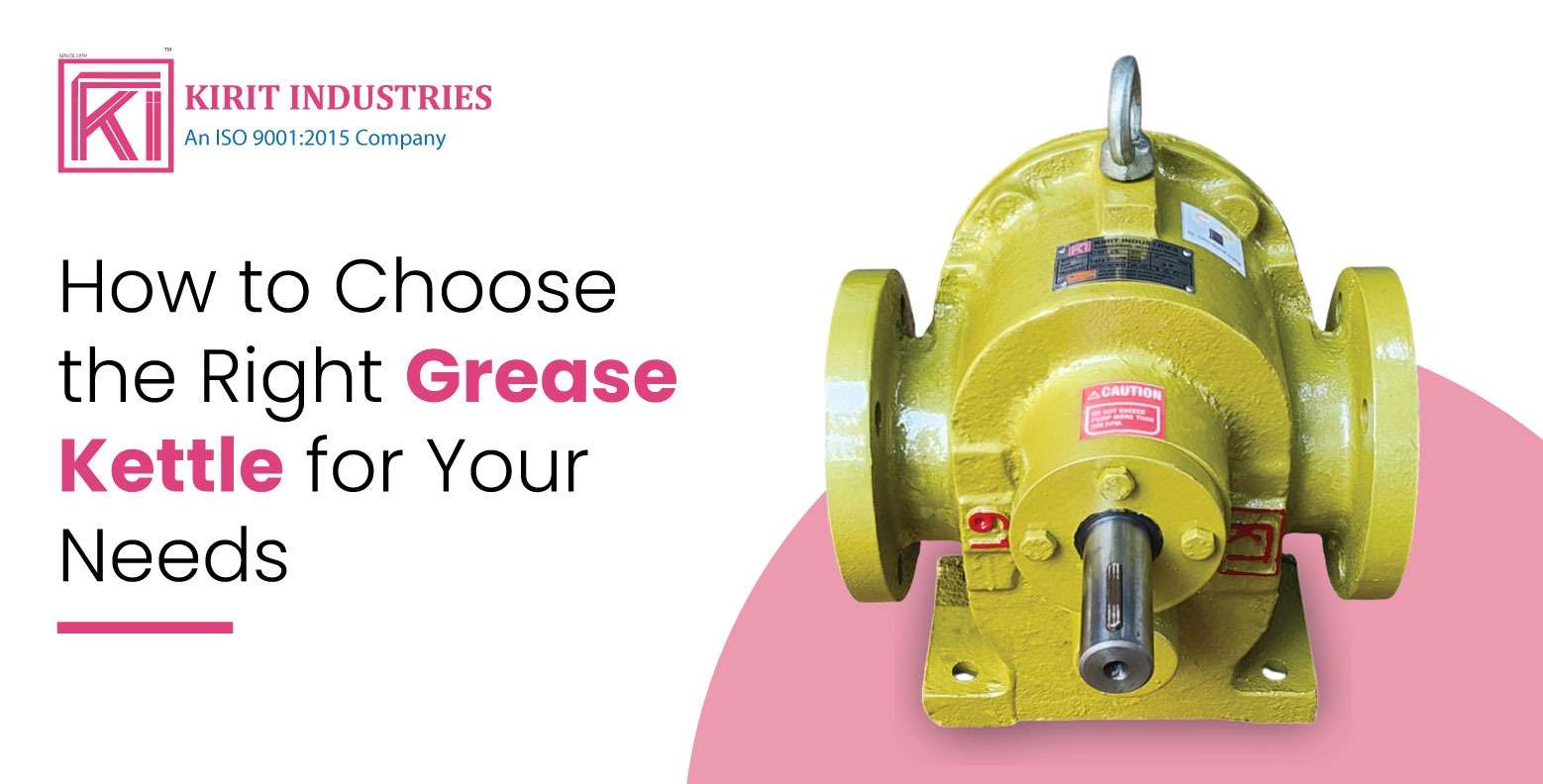
How to Choose the Right Grease Kettle for Your Needs
It is important to choose the correct grease kettle for companies relying upon the effective heating, mixing & transferring of grease. Companies that produce lubricants, maintain units & run large scale production; the proper equipment has a direct impact on your company's production level, safety, and quality of your product. Buyers at Kirit Pumps have frequently stated they are confused when buying grease kettles, due to the complexity of grease processing itself- viscosity, control of temperature,and clean handling of the materials. Therefore, we created this guide to assist you with selecting the best equipment so you can make an informed decision.
Determine Your Production Capacity and Needs
Before purchasing a grease kettle you should begin to determine the amount of grease that you want to process per day. The size of the kettle must match the volume of grease you will be processing; if it is too small it will slow down your production process and if it is too large it will waste energy. You should also consider the batch size, heating time, and mixing consistency; when using Kirit Pumps it is recommended to evaluate kettle capacity with projections for growth to ensure continued serviceability as the demand for your product increases.
Consider Grease Type and Viscosity
The type of grease that you create also greatly affects the performance of grease, as the behavior of light and semi-solid lubricants differ from that of greases that contain high viscosity. Therefore, to achieve the desired consistency for any grease produced, the grease kettle must provide precise heating levels and distribution throughout the entire kettle, otherwise, the completed grease will burn, overheat and/or not mix evenly.
Types of Heated Controls
The way the grease kettle is heated (electric, steam or thermal oil driven) can have a large impact on how satisfactory the grease kettle performs in an industrial environment for grease production. Many producers in today's industry utilize thermal oil as a heating source. Using thermal oil provides consistent ranges of temperatures, which creates stability in the completed grease.
Importance of Consistent Temperature Control
Consistent temperature control in the grease kettle will prevent greases from losing consistency or degrading their chemical composition. For reference, high-quality equipment, like those manufactured by Kirit Pumps, utilize digital readings and automated systems for monitoring the temperature of kettles. Because they have automated systems, they require minimal or no human intervention to maintain optimal conditions.
Evaluate the Pumping and Transfer Systems
The use of Pumping and Transfer Equipment (PTE) in moving and transferring materials efficiently and quickly is important in moving materials through the facility effectively. On an unloader pumping system like a Grease Kettle Unloading Pump, the transferring of cooked grease is fast and easy, but there is no risk for clogging or losing product as it gets pumped out. When using a grease kettle unloading pump with the grease kettle, they allow for much quicker and safer transfers.
Grease Drum Filling Pumps
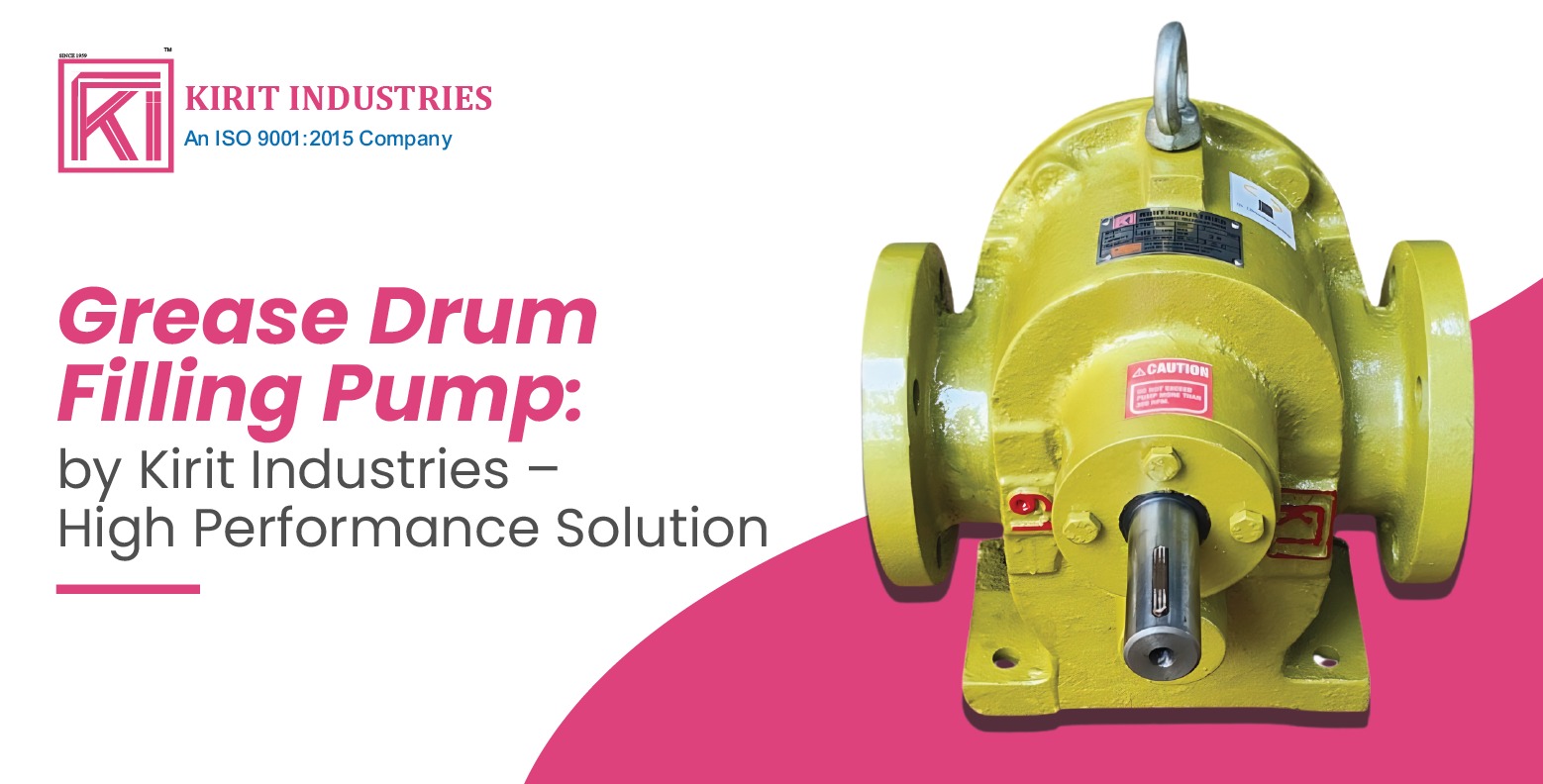
Grease Drum Filling Pumps are also used in order to package accurately into either a large drum or small cartridge. By using a Grease Drum Filling Pump, flow rates will remain consistent as the drum or cartridge is being filled, resulting in reducing the amount of loss. Additionally, Grease Drum Filling Pumps will greatly reduce the amount of manual labour required to fill drums or cartridges, as well as improve hygiene during the packaging process.
Materials, Durability, and Build Quality
When selecting a grease kettle, choose one made from high-quality stainless steel that will withstand high temperatures and will not corrode. Because most industrial grease includes additives that could react chemically, the heavy-duty construction of all equipment will ensure long equipment life. Kirit Pumps prefer heavy-duty construction because even slight differences in the thickness of metal and the quality of welds could affect performance and safety.
Grease Processing & Transfer Pump Options
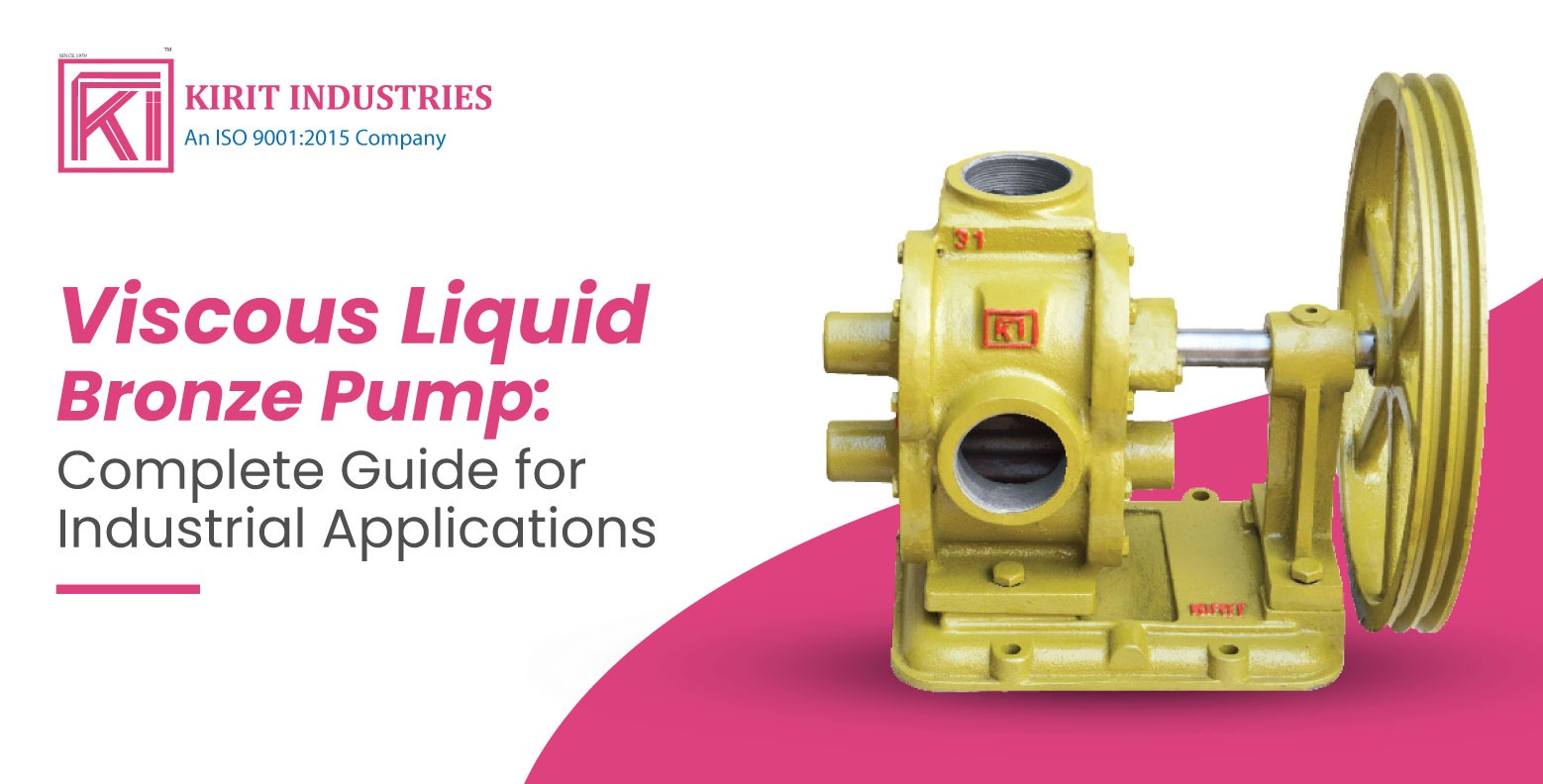
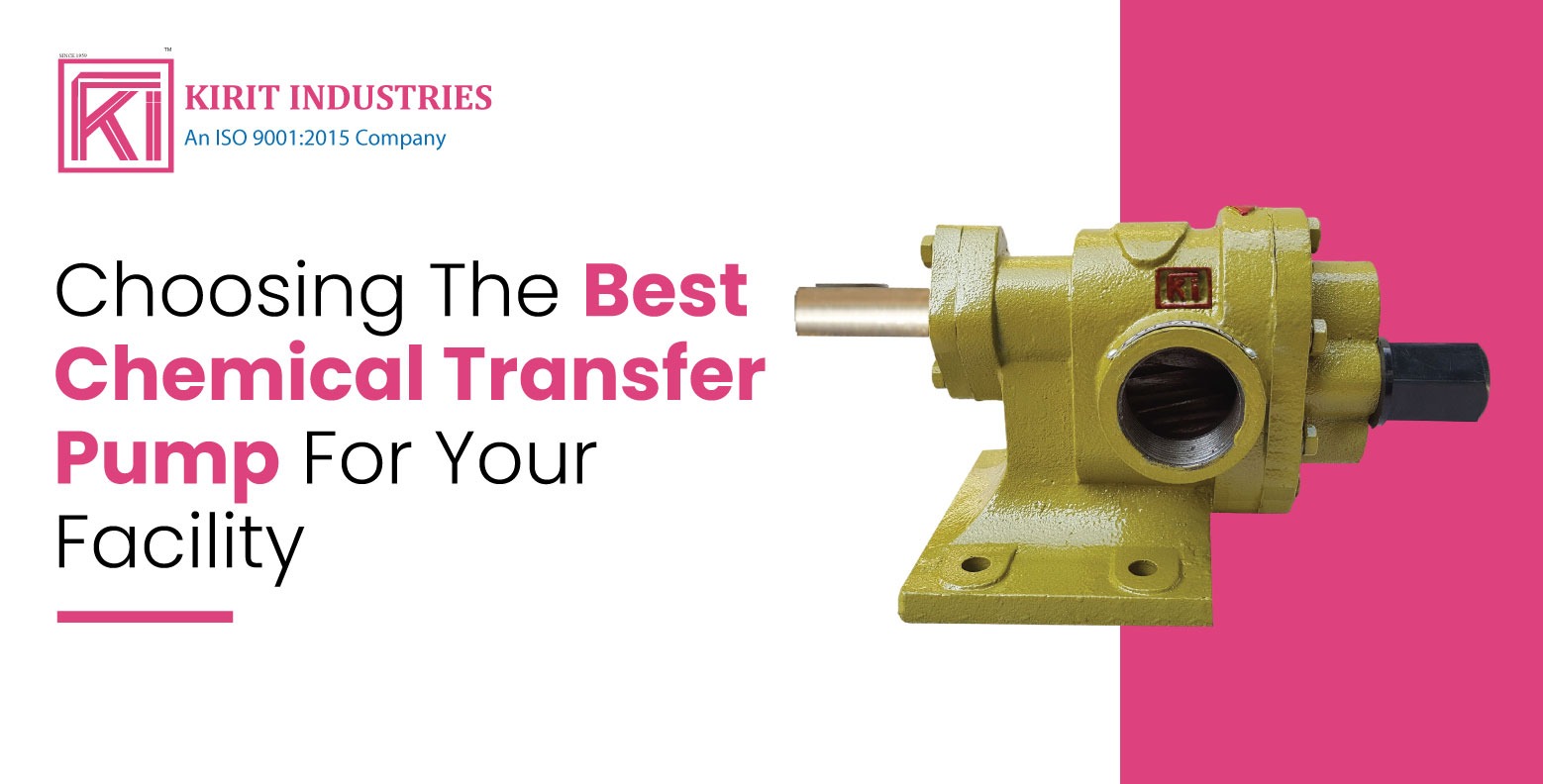
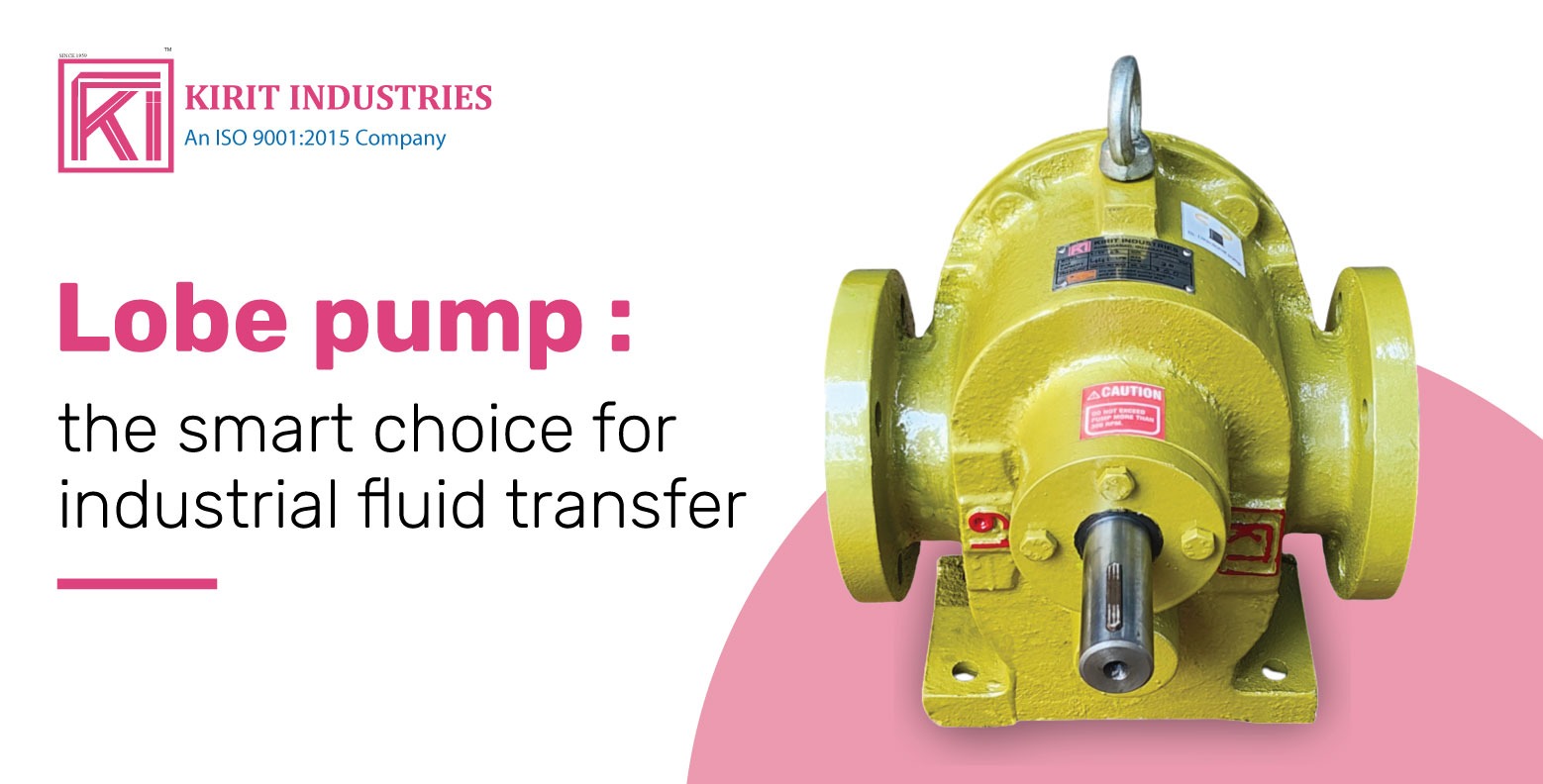
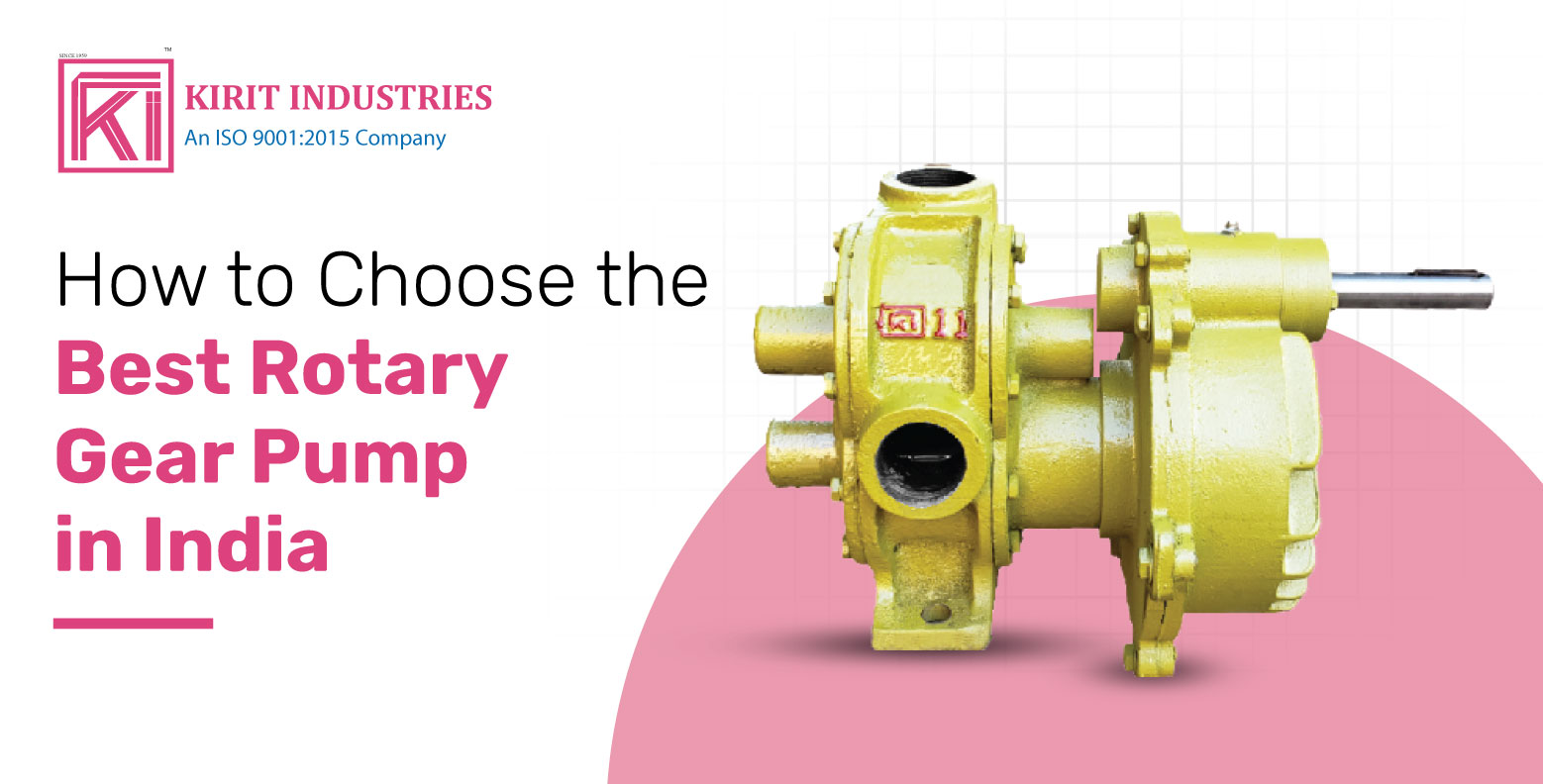
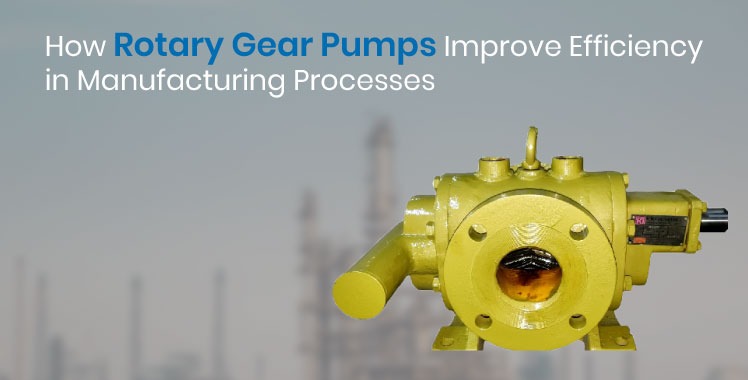
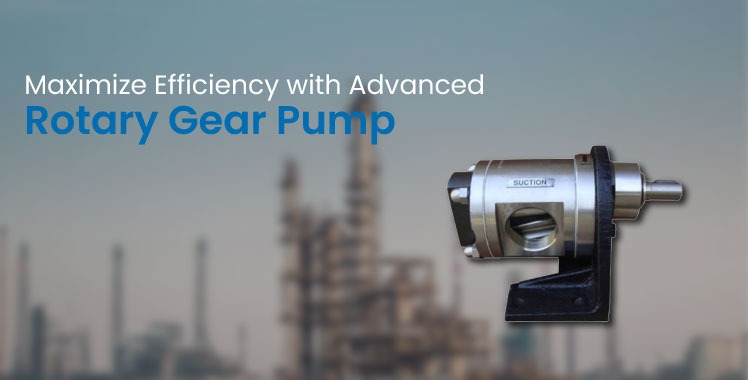
Pump selection will have a direct impact on grease processing and transfer. For many industries that require non-destructive and gentle processing of very viscous material, Rotating Lobe pumps are preferred. These pumps have the ability to provide both the gentleness needed to maintain the materials' integrity and sanitary processing (if required) for many applications. On the contrary, for high viscosity greases requiring substantial suction and pressure, a Rotary Gear Pump is the ideal choice. Due to their reliability and ability to provide a consistent flow of material, many grease reactor applications include the use of Rotary Gear Pumps.
Grease Reactor Pumps for Mixing and Heating
Some grease reactor pumps are used in conjunction with mixing cycles associated with the chemical processing of lubricants. The design features of grease reactor pumps provide the capability of maintaining a consistent and even distribution of heating and blending by providing agitation and flow patterns that are appropriate for both heating and blending processes.
Automated Solutions, Safe Operation, and Ease of Use
Today, many manufacturers are seeking "automation" friendly, error reducing production solutions. Automatic temperature monitoring, safety valves (for hazardous spills), insulated jacketed bodies and digital controllers are all excellent examples of the types of features that can create highly efficient and automated production systems. Kirit Pumps also places a major emphasis on safety.Given the higher viscosities and temps present in grease systems, it was essential for the Kirit Pumps Systems to have operator safety designed into them.
Maintenance and Long-Term Support
Due to the potential for contamination and other issues, ease of cleaning, access to maintenance and spare parts will be key factors in selecting a grease kettle from a reliable supplier. The cost of lost production time can be very high, so ensure selecting grease kettles from reputable manufacturers will provide continued long-term support.
Frequently Asked Questions (FAQ)
1. What size of grease kettle do I need for my production?
The right size depends on your daily output, batch processing requirements, and future expansion plans. It’s best to choose a grease kettle that supports your current workload while leaving room for growth.
2. What heating method is best for grease processing?
Thermal oil heating is often preferred because it provides stable and uniform temperature control, which is crucial for consistent grease quality.
3. Do I need a separate pump for unloading and filling?
Yes. A grease kettle unloading pump ensures smooth transfer from the kettle, while a grease drum filling pump delivers precise packaging flow. Both pumps improve efficiency and reduce manual handling.
4. What is the difference between a rotary lobe pump and a rotary gear pump?
A Rotary lobe pump offers gentle handling and is ideal for viscous materials requiring sanitary conditions. A rotary gear pump provides strong suction and pressure for heavy, thick greases.
5. Why should I choose Kirit Pumps for my grease kettle system?
Kirit Pumps is known for durable construction, advanced automation, reliable after-sales support, and expertise in grease processing equipment—making it a trusted choice in the industry.
Conclusion
The process of selecting the correct grease kettle requires knowledge about how you use it, the pumping and heating methods to heat and pump the grease, what materials you want to make from the grease, what technology could automate your facility, and so forth. You can optimize the efficiency of your workflow by pairing the grease kettle you select with the correct equipment such as a grease kettle unloading pump, a grease drum filling pump, a grease reactor pump, a Rotary lobe pump, and a rotary gear pump. Kirit Pumps has the knowledge and expertise to help you confidently invest in a system that maximizes both productivity and safety while creating long-term benefits.